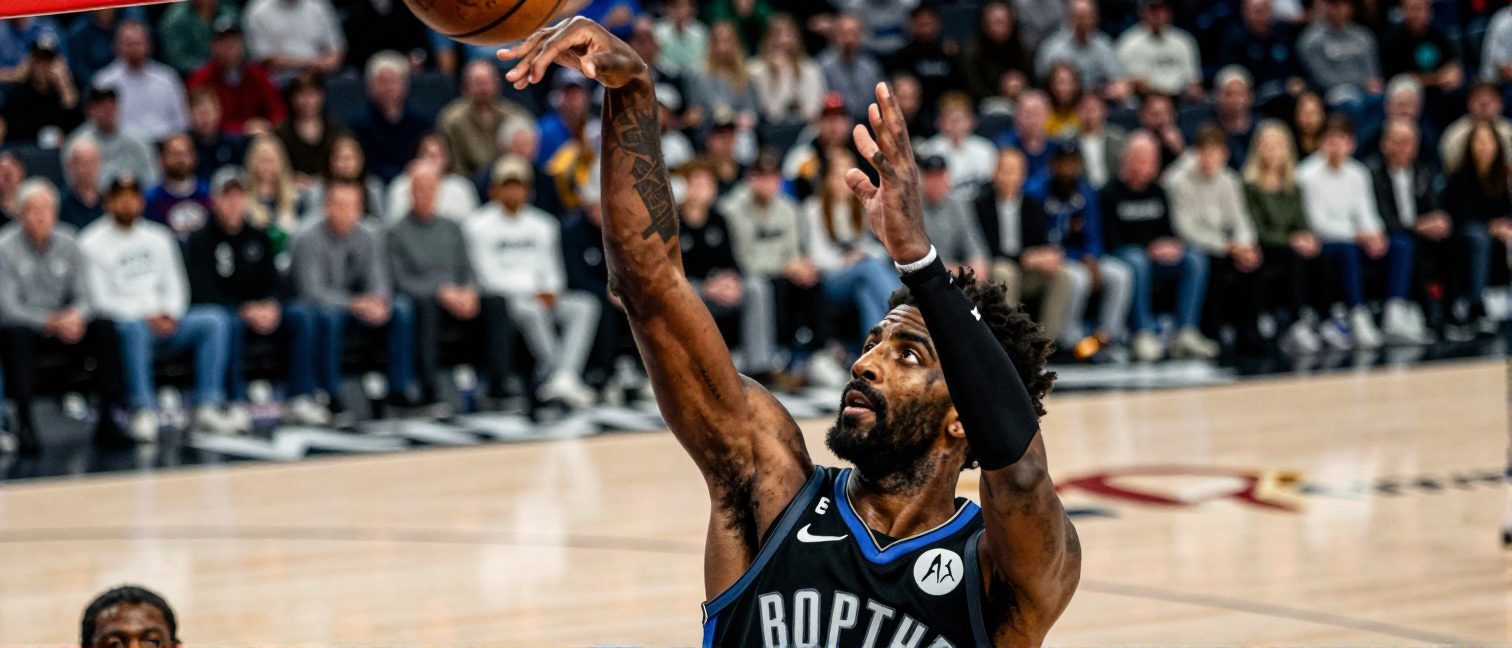
Kyrie Irving could be traded by the Dallas Mavericks as early as July 9, 2026, a move analysts say may give the franchise the financial breathing room it needs for sustained growth.
Why is a Kyrie Irving trade on the table?
The Mavericks entered the 2026‑27 season with a $45 million luxury‑tax bill tied to Irving’s $34 million contract. Recent salary‑cap projections show the team will exceed the limit by $12 million if no roster changes occur. Front‑office sources told MSN that Dallas is actively fielding offers that would offload Irving’s salary while returning a first‑round pick and a young wing.
How would the trade affect Dallas’ roster?
Removing Irving would free up a $34 million salary slot, allowing Dallas to pursue a defensive specialist or a versatile scorer in free agency. The Mavericks also own a 2027 first‑round pick that could be bundled with a role player to sweeten a deal. Coach Jason Kidd believes the team could shift to a more balanced, defense‑oriented system without the ball‑dominant guard.
What does this mean for Kyrie Irving?
Irving, 31, remains one of the league’s top scorers, averaging 27.4 points per game last season. A trade could land him with a contender seeking a clutch playmaker. Rumors link him to the Boston Celtics, who need a secondary ball‑handler after Marcus Smart’s departure. If a deal materializes, Irving would likely sign a four‑year, $140 million extension, keeping him in the Eastern Conference.
What are the risks for Dallas?
Trading a player of Irving’s caliber carries reputational risk. Fans may view the move as abandoning a franchise star, and the Mavericks could lose a key marketing asset. Moreover, the market for a high‑salary guard is thin; any deal may require a hefty draft pick, potentially hampering Dallas’ long‑term depth.
What comes next for the Mavericks?
The front office expects to finalize a trade before the July 30 trade deadline for the upcoming season. If negotiations stall, Dallas could retain Irving and look to restructure his contract in the 2027 offseason. Either path forces the Mavericks to confront their cap strategy head‑on, shaping the team’s identity for years to come.